- Industrial Cables
- Your Business
- Company
- Newsroom
- Tools & Resources
- Career
- 查找
- 联系我们
- Compare
- 登录

and more initiatives
Reducing our environmental footprint
As an industrial manufacturer operating 15 production sites worldwide, Lynxeo is constantly strengthening the way it measures and manages its environmental impact. Our environmental commitment extends beyond climate change. We work to reduce our broader environmental footprint and promote more sustainable practices across our operations, products and supply chain.
Our approach combines action within our factories with engagement across the value chain — from energy and greenhouse-gas emissions to resource use, product design, water, pollution and biodiversity.
Environmental performance is managed locally by local QHSE teams and supported by Group-level coordination.
This provides a framework for managing environmental risks, setting action plans and monitoring performance at the sites where our operations take place.
93 % de nos sites étaient certifiés ISO 14001 en 2025.
Cela fournit un cadre pour gérer les risques environnementaux, définir des plans d’action et suivre les performances au niveau de nos différents sites industriels.
Circular economy and resources
Using resources more efficiently
Copper, aluminum and polymers are central to cable manufacturing. We are therefore focusing on resource efficiency, recycling and responsible sourcing.
In 2025: In an orange boxes
- 78% of production copper offcuts were recycled
- 4,365 tons of waste were recycled
- 23.7% of copper purchased in Europe was recycled copper
- 5,592 tons of total waste were generated, including 232 tons of hazardous waste
We are also developing life-cycle analysis capabilities to support product eco-design and help customers understand the environmental profile of selected products.
Water, pollution and biodiversity
Managing local environmental impacts
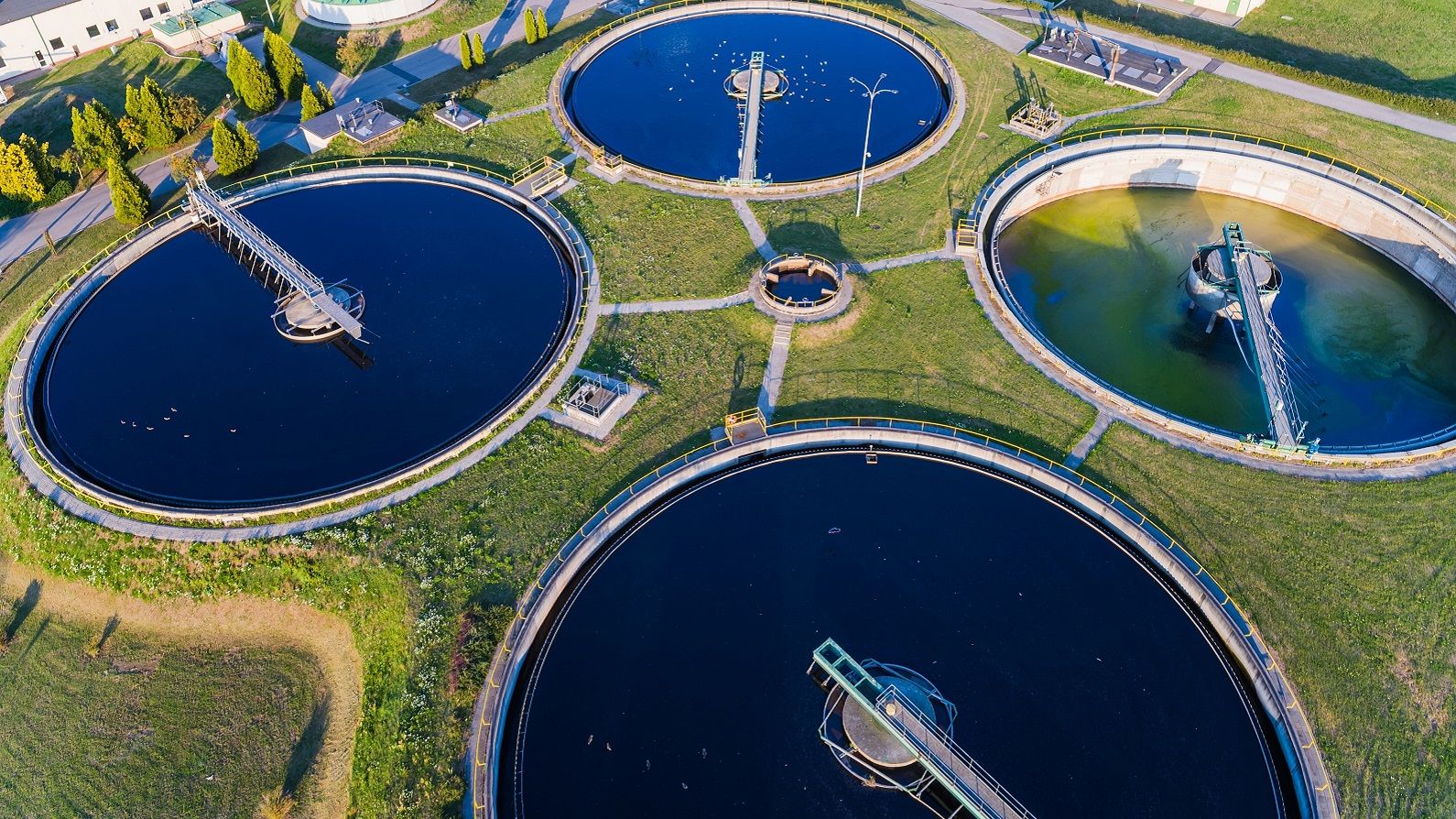
Our environmental management approach includes water use, air emissions, pollution prevention and biodiversity.
In 2025, Lynxeo reported 171,637 m³ of water consumption.
Our actions include:
In an orange boxes
- Monitoring water consumption
- Using closed-loop cooling-water systems where appropriate
- Controlling volatile organic compounds and particulates
- Managing substances in line with REACH and RoHS requirements
- Assessing proximity to biodiversity-sensitive areas
- Developing site-level mitigation plans